Study in Estonia
Your Gateway to a Digital-First Education in the Heart of Europe
Why Estonia belongs on your shortlist
Estonia is a small yet highly innovative nation in Northern Europe, bordered by Finland, Latvia, and Russia. Overlooking the Baltic Sea, it has emerged as a global leader in technology and e-governance, often recognized as one of the most digitally advanced societies in the world. As the birthplace of companies like Skype, Estonia's strong entrepreneurial spirit is reflected in its thriving startup ecosystem and academic excellence, offering a wide range of degree programs-many of which focus heavily on digital breakthroughs and innovation.
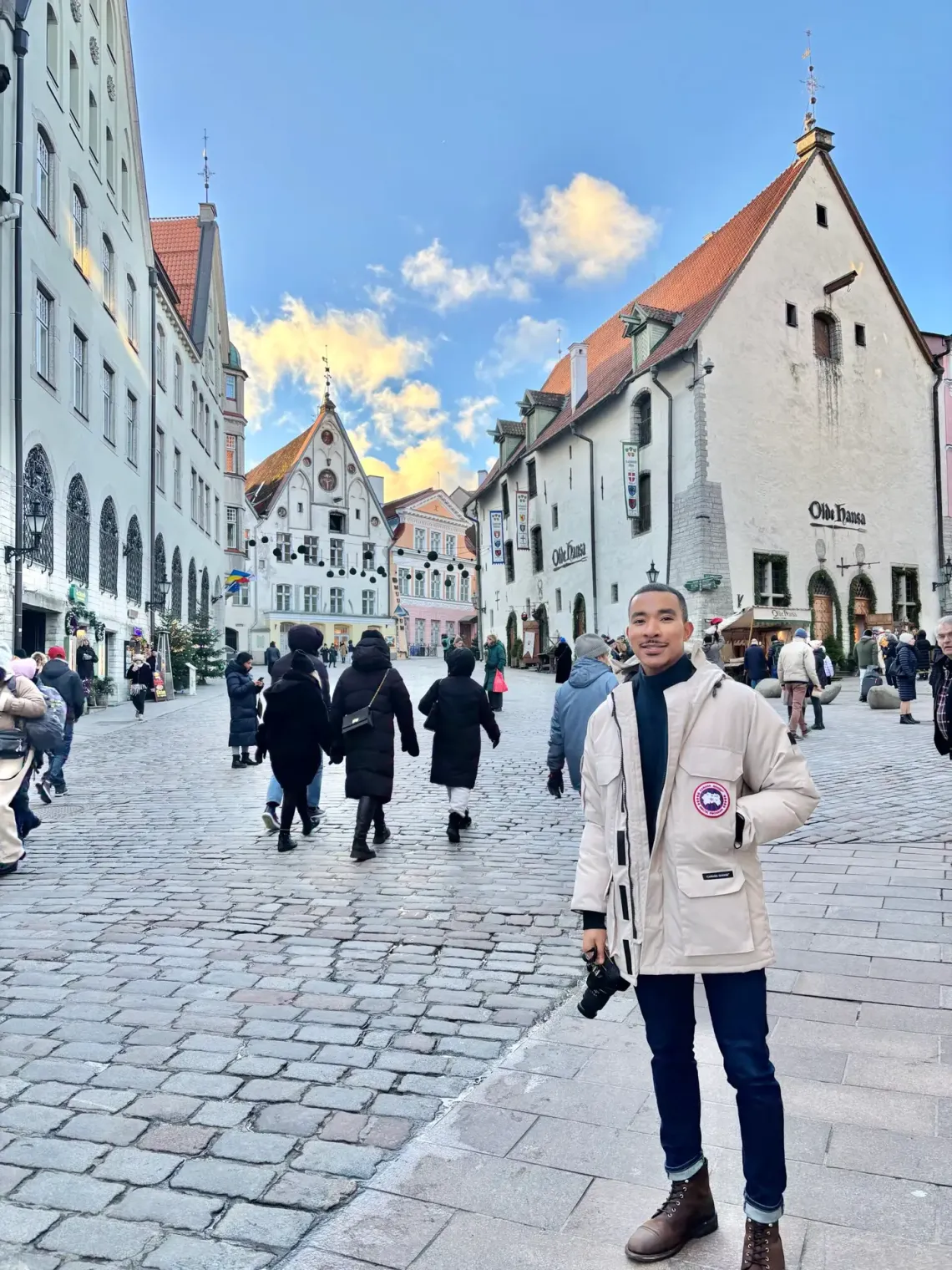
The capital, Tallinn, is a UNESCO-listed city that seamlessly blends medieval charm with modern progress, featuring well-preserved landmarks like Toompea Castle alongside cutting-edge infrastructure. Beyond its digital achievements, Estonia values sustainability and a high quality of life, boasting a deep connection to nature through its vast forests, serene lakes, and over 2,000 islands. With a culture shaped by Nordic and Baltic influences and Estonian as its official language, the country offers a unique environment where historical heritage meets a forward-thinking, scenic, and innovative lifestyle.
Why study in Estonia?
EU Gateway
Member since 2004, offering full access to European research and exchange programs.
Schengen Access
Travel freely across 27 European countries without border checks.
Eurozone Member
Stable finances and no currency hassle since joining the Euro in 2011.
A Tech-Driven Education
Estonia punches well above its weight. Study at the heart of innovation with degrees designed for the future-specializing in AI, Cyber Security, and E-Governance.
Stunning Northern Beauty
Experience a rare mix of medieval history and seaside views. Bordering Finland and Latvia, Estonia offers a safe, English-friendly environment for international students.
The Digital Launchpad
More than just a pretty face, Estonia is a global symbol of digital innovation. It's the perfect home for entrepreneurs and forward-thinkers.
#1 in E-Governance
The global in digital society and economic discipline.
Top-Tier Income
Among the highest per capita incomes in central europe.
Economic Leader
A history of growth peaking at 5x the euro area average, backed by a rare budget surplus.
Popular Universities in Estonia



Step-by-step: study in Estonia
What documents do I need to apply to a university in Estonia?
**Common application documents**
- Birth certificate
- Recent passport-style photos
- Passport or national ID card
- Reference letters - from previous employers or teachers
- Copies of past diplomas and certificates - including your Bachelor's degree
- Academic transcripts
- Letter of intent - explaining your motivation and goals
- Curriculum Vitae (CV)
- Proof of financial means - to show you can support yourself during your studies
**Additional tests (programme-specific)**
- GRE
- GMAT
- LSAT
Always check your chosen programme's website for exact requirements.
**Prove your English skills**
Since most degrees are taught in English, you'll need to submit a recognised English language certificate. Popular options include:
- IELTS
- TOEFL
- C1 Advanced (formerly CAE)
Cost of Living in Estonia (Student Budget Guide)
Studying in Estonia is more affordable than in many other European countries. Below are typical monthly costs for an international student (in euros). Prices are estimates for 2025 and may vary by city - Tallinn and Tartu are slightly more expensive than smaller towns.
**Accommodation (monthly rent)**
- Student dormitory (shared room): EUR 100-250
- Private room in shared apartment: EUR 200-400
- One-bedroom apartment (city centre): EUR 450-700
- One-bedroom apartment (outside centre): EUR 350-500
**Food**
- Groceries (home cooking): EUR 150-250 per month
- University canteen lunch: EUR 3-6 per meal
- Eating out (mid-range restaurant): EUR 10-20 per meal
Student Visa for Estonia (Temporary Residence Permit for Study)
Estonia issues Temporary Residence Permits (TRP) for studies lasting more than 90 days. Citizens of EU/EEA countries do not need a visa or residence permit - only registration. This guide is for non-EU international students.
**Required documents (standard list)**
- Valid passport (must be valid for at least 3 months after your intended stay)
- Completed TRP application form (submitted online or at an Estonian embassy)
- Letter of acceptance from an Estonian university
- Proof of sufficient funds - at least EUR 4,800 per year (approx. EUR 400/month) or evidence of scholarship
- Health insurance - valid in Estonia, minimum coverage EUR 30,000
- Tuition fee payment confirmation (EFT Copy)
- Criminal record certificate (from your home country, legalised/apostilled)
- Medical certificate (confirming no contagious diseases)
- Passport photo
- Visa/TRP fee - approx. EUR 100-160 (plus biometrics)
**Application process**
- Apply online via Estonia's Police and Border Guard Board (PBGB) portal.
- Submit biometrics & fingerprints at an Estonian embassy or consulate in your home country.
- Wait for processing - usually 1-3 months.
- Receive decision - if approved, you'll get a TRP card (valid for 1 year, renewable up to 5 years).
**During & after your studies**
- TRP allows you to work part-time (up to 20-30 hours/week, depending on programme).
- After graduation, you can apply for a 6-12-month job-seeking permit.
- Permanent residence possible after 5 years of continuous legal stay.
- Your TRP is valid for all Schengen countries (free travel within the zone).
- Keep your address registration up to date with the local municipality.