Study in Germany
High-Quality Education, Low Tuition, Big Opportunities
Why Germany belongs on your shortlist
Germany is one of Europe's top destinations for international students, combining world-ranking universities, strong research, and mostly tuition-free or low-cost public education. With advanced technology, a stable economy, and a welcoming environment for global students, Germany offers Nepali graduates a powerful launchpad for careers in engineering, business, IT, medicine, and more.
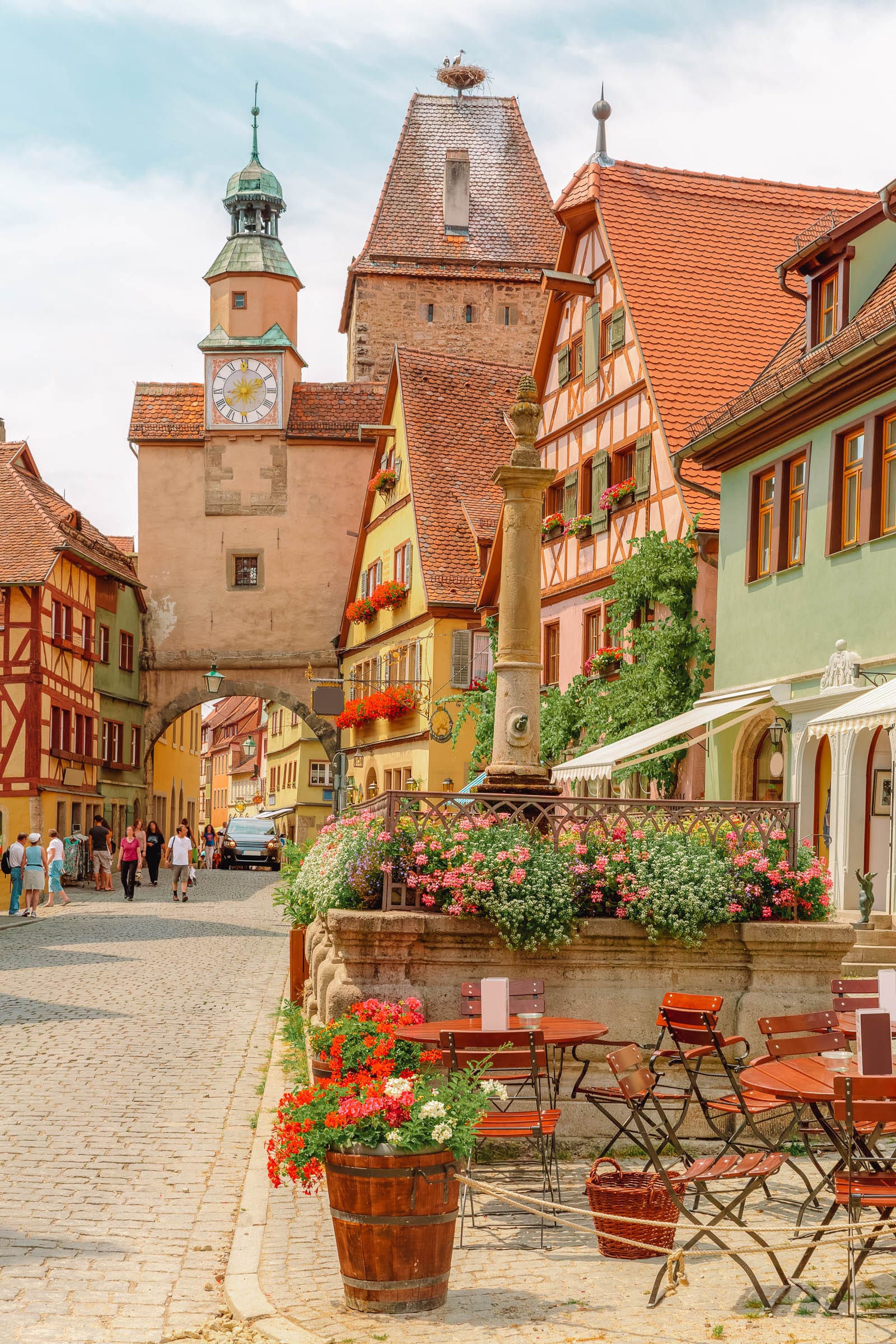
Germany is a large and influential country in Central Europe, known for its rich history, diverse culture, and strong economy. It is the most populous country in the European Union and plays a key role in European politics and economics. Germany's capital, Berlin, is a vibrant city filled with history, art, and innovation, famous for landmarks like the Brandenburg Gate and the Berlin Wall. Other major cities include Munich, known for its Oktoberfest and cultural heritage, and Frankfurt, a global financial hub.
Germany is celebrated for its contributions to science, philosophy, music, and engineering, with famous figures like Albert Einstein, Ludwig van Beethoven, and Johann Wolfgang von Goethe originating from the country. The German education system is highly regarded, offering excellent opportunities for students, especially in fields like engineering, technology, and the sciences. Many universities in Germany have little to no tuition fees, even for international students, making it an attractive study destination.
The country is also known for its efficiency, high quality of life, and commitment to environmental sustainability. Whether exploring the scenic beauty of the Bavarian Alps, the Black Forest, or experiencing the vibrant urban life, students in Germany can enjoy a rich and diverse cultural experience while receiving a world-class education.
Quick facts about Germany
Why study in Germany?
Low or No Tuition Fees
Public universities in Germany usually charge no tuition for Bachelor's and many Master's programs (you pay only a small semester fee of roughly €150–€400).
Globally Recognized Degrees
German universities rank highly in global rankings (e.g., Technical University of Munich, RWTH Aachen, University of Stuttgart) and are respected by employers worldwide.
Strong English-Taught Programs
Many Bachelor's and Master's programs are available in English, so you can study without full German fluency.
Excellent Job Prospects
Germany faces a skills gap, especially in engineering, IT, healthcare, and renewable energy, making it easier to find internships and jobs after graduation.
Affordable Living Costs
With smart budgeting, living costs generally range around €850–€1,200 per month (depending on city), including rent, food, insurance, and transport.
Part-Time Work & Post-Study Visa
International students can work up to 120 full days or 240 half days per year. After graduation, you can apply for an 18-month post-study job-seeker visa to search for work.
Popular Universities in Germany



Step-by-step: study in Germany
To study in Germany, you need a National Student Visa (Type-D). Key requirements include a valid passport (valid for at least 12–18 months, with empty pages), a university admission letter, proof of sufficient funds (usually via a blocked bank account of about €11,208 per year, roughly €934/month), proof of public student health insurance, language proof (IELTS/TOEFL for English-taught; TestDaF, DSH or Goethe B1/B2 for German-taught), and a completed visa application form with recent biometric photos. Processing time is typically 4–12 weeks, so apply early.
Research & Shortlist (12–9 Months Before Intake) - Decide on level: Bachelor's / Master's / Studienkolleg. - Choose programs and universities (check English-taught options and language requirements).
Document Preparation (9–6 Months Before Intake) - Prepare academic documents (SLC/SEE, +2, Bachelor's), transcripts, and translations. - Book and take English (IELTS/TOEFL) or German (TestDaF/DSH) exams. - Draft your Statement of Purpose (SOP) and collect Letters of Recommendation. - Wait for and receive an official admission/acceptance letter from the university.
Prepare Required Documents - Valid passport (usually 12–18 months validity) and biometric passport-size photos. - University admission letter (unconditional). - Academic transcripts and certificates with translations if required. - English or German language proficiency certificate. - Statement of Purpose (SOP) and CV. - Proof of financial means: German blocked bank account (around €11,904/year). - Proof of student health insurance and a completed visa application form.
Book Appointment & Attend - Register on the official embassy / VFS portal, fill the online visa form, upload documents, and pay the visa fee. - Book an appointment at the VFS centre in Kathmandu. - Arrive on time with all original documents and 1–2 photocopies; provide biometrics and attend a short interview.
After Approval - Collect your passport with the visa sticker and check the validity dates and entry conditions. - Book your flight and travel within the visa validity period. - After arrival, register your address at the local municipality and activate your blocked account.