Why Lithuania belongs on your shortlist
Lithuania is a modern, safe, and student-friendly country in Northern Europe, offering high-quality education at a relatively affordable cost. For Nepali students, it is an attractive destination for studying in Europe because it combines English-taught programmes, low tuition fees, reasonable living costs, and access to the Schengen region. At study abroad by Race Educare, we guide Nepali students in selecting the right university, preparing documents, and understanding the full admission and visa process for Lithuania.
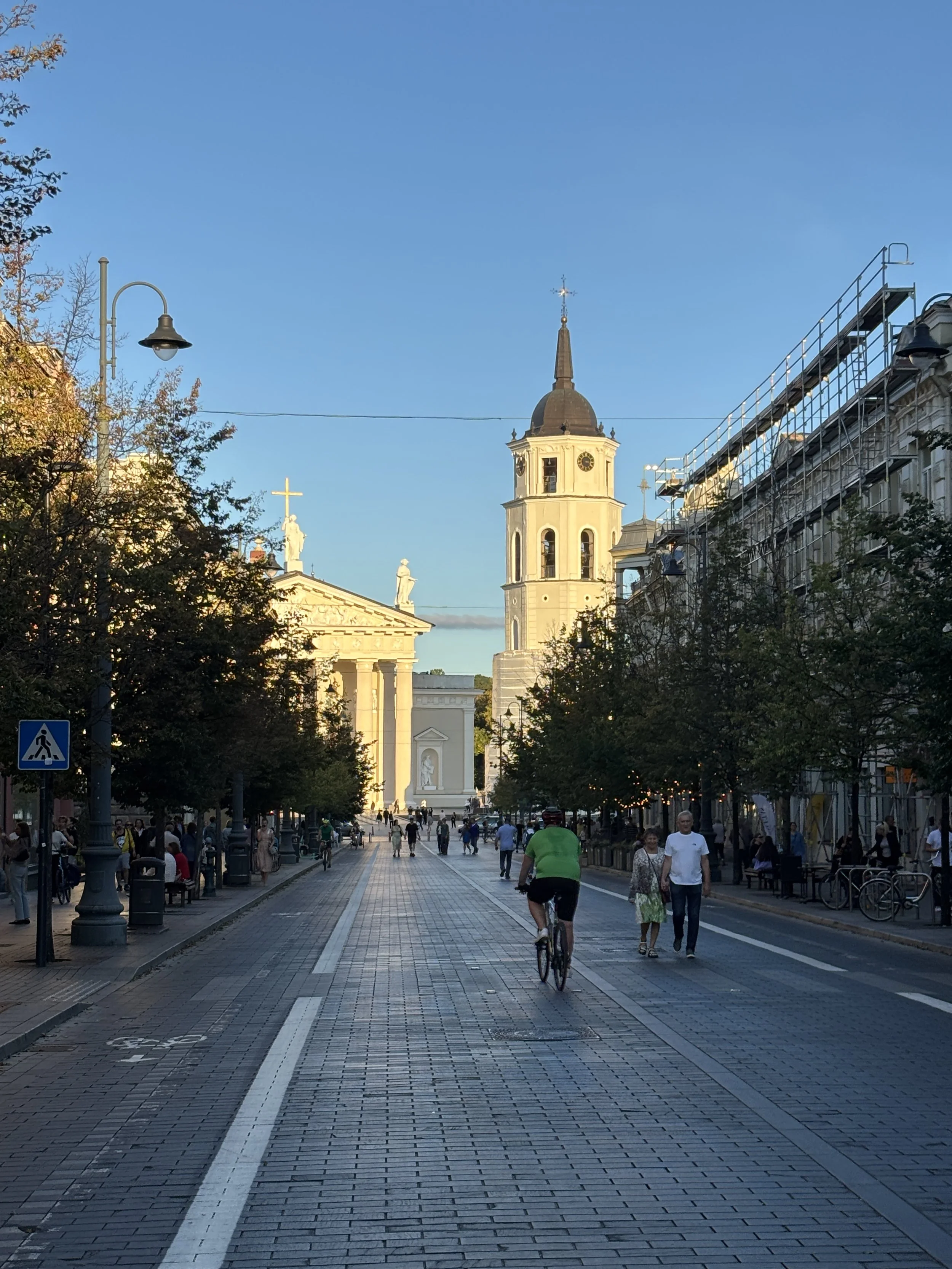
Why study in Lithuania?
High-Quality Education
Recognised European degrees that are valued across the EU and beyond.
Affordable Tuition Fees
Affordable tuition fees compared to many other European countries.
English-Taught Programmes
More than 500 English-taught programmes available across universities and applied sciences institutions.
Central Schengen Location
Good location in Europe, giving you easy travel opportunities within the Schengen area.
Safe, Peaceful Environment
Safe and welcoming environment with a strong student community.
Work Rights
Part-time work options available for international students, helping you manage expenses.



Step-by-step: study in Lithuania
Popular Study Options for Nepali Students
Lithuania offers a wide range of programmes that are suitable for Nepali students from different academic. backgrounds. Many of these programmes are available at Bachelor's, Master's, and Doctoral levels. Popular choices include:
- Information Technology
- Engineering
- Business & Management
- Health Sciences
- Nursing
- Finanace & Accounting
- Tourism & Hospitality
- Environmental Sciences
- Social Sciences
Cost of Studying In Lithuania
Lithuania is known for being one of the more affordable study destinations in Europe.
- Bachelor's tuition fees: from around EUR 1,300 per year
- Master's tuition fees: from around EUR 2,300 per year
- Doctoral programmes: from around EUR 8,400 per year
- Living expenses: around EUR 500-800 per month
These costs usually cover accommodation, food, transport, study materials, and personal expenses. For Nepali families, Lithuania offers a good balance between affordability and quality education.
Scholarships & Financial Aid In Lithuania
There are scholarship opportunities available for international students in Lithuania. These may include:
- State Scholarships
- University Grants
- Merit-based Scholarships
- Programme-specific Funding
Scholarships are usually based on academic performance, programme choice, and university policy. We help you identify suitable funding options and strengthen your application.
Student Visa Process for Nepali Students
**1. Get Admission**
- Apply to a Lithuanian university and receive an official admission letter.
**2. Prepare Your Documents**
You will usually need:
- Valid passport
- Admission letter
- Academic certificates and transcripts
- Proof of funds
- Health insurance
- Passport-size photos
- Completed visa or residence permit application
- Accommodation details
**3. Apply for Visa / Residence Permit**
- Submit your application through the appropriate Lithuanian authority or embassy/visa process applicable to your case.
**4. Wait for Decision**
- Processing times may vary depending on the institution and visa category, so it is best to apply early.
How Race Educare Supports You
At Study Abroad by Race Educare, we support Nepali students throughout the entire journey to study in Lithuania:
- University and course selection
- Application support
- Document preparation
- Visa guidance
- Scholarship information
- Pre-departure counselling
Our goal is to make your study abroad journey simple, clear, and successful.
Frequently asked questions